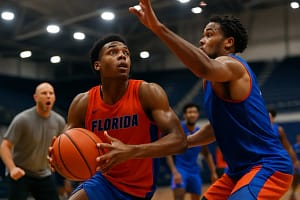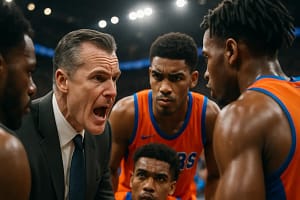
Gators Freshman Strategy under first-year head coach Jon Sumrall has become one of the defining football stories in Gainesville because Florida is not easing into a small roster refresh. The staff is working with a group that includes 24 freshmen from high school ranks and 34 transfers, numbers Sumrall discussed during SEC Media Days on July 22, 2026, when he made clear how much of the team was new to the program Florida roster update.
That kind of turnover changes how a staff teaches, practices and decides who can handle game-speed responsibility. It also gives the fan base a different lens for judging progress before the 2026 season has been completed as of September 25, 2026. The first question is not just which freshmen are talented. It is which freshmen can be trusted on a Saturday, which ones can help on special teams, and which ones need a longer runway before taking on larger assignments.
Gators Freshman Strategy Starts With Trust
Why Gators Freshman Strategy Begins In Practice
Sumrall’s public comments have pointed toward a staff that wants young players tested early, but not rushed into jobs they have not earned. That matters with a roster built from so many first-year players and transfers. A freshman may arrive with recruiting attention, size, speed or a polished high school profile, but Florida’s staff still has to see how that player handles tempo, communication and physical recovery inside an SEC week.
The Gators Freshman Strategy is built around a simple coaching truth: trust is gained snap by snap. In spring camp in March 2026, true freshman quarterback Will Griffin was part of the depth picture behind Tramell Jones Jr. and Aaron Philo. The staff’s decision to involve a young quarterback in that room spoke to depth-building as much as competition. Even when a freshman is not positioned as the immediate starter, early reps can set the rhythm for future development.
That is especially valuable in Gainesville, where roster conversations are never limited to one position group. Fans see freshman usage as a signal. If a young player gets practice attention, earns travel consideration, or appears on special teams, the community reads that as a coaching staff investing in the next core. Sumrall’s task has been to make those investments without turning development into a weekly guessing game.
What The Jayden Woods Example Shows
Jayden Woods gives Florida a working model for how a freshman can move from promise to real production. In 2025, Woods played 448 snaps as a true freshman and became a major piece of the defensive line. His season included 3.5 sacks, five tackles for loss, 28 total tackles, an interception, a pass breakup, two quarterback hurries and a fumble recovery. He also earned Freshman All-SEC honors.
For a coaching staff, that kind of freshman season does two things. First, it proves that early responsibility can work when a player is ready for it. Second, it keeps the standard high for the next group. A freshman does not earn the field just because the roster is young. The player has to show he can line up correctly, absorb corrections and finish plays against older bodies.
Woods also illustrates why continuity on staff can help young players. Defensive line coach Gerald Chatman was retained from the prior staff, giving freshmen and sophomores at that position at least one familiar voice while Sumrall reshaped the program. In a year with so many newcomers, that blend of new direction and known teaching points can steady a room.
How Freshmen Earn Snaps In Sumrall’s System
Special Teams As The First Test
The staff’s path for freshmen has included special teams and rotational work, not just headline roles. That is a smart football approach because special teams reveal habits quickly. A freshman covering a kick has to run, read space, stay disciplined and finish under contact. A return unit assignment demands ball security, timing and confidence. Those snaps can show whether a player is prepared for heavier offensive or defensive work.
Vernell Brown III’s 2025 season is a strong example of how a freshman can change field position and the passing game at once. He led Florida in receptions with 40 and receiving yards with 512, becoming the first true freshman in program history to lead the team in both categories. He also had 261 return yards on 18 kick and punt returns, including five punt returns of 20 or more yards. Brown earned Freshman All-SEC recognition at wide receiver, all-purpose and return specialist.
That kind of usage fits the Gators Freshman Strategy because it rewards players who can handle more than one assignment. A young receiver who can also return punts is not just a depth chart name. He affects possession, momentum and practice standards. For fans in The Swamp, those plays often feel like the first public sign that a freshman is growing up fast.
Response Matters More Than A Perfect Snap
Before Florida’s September 5, 2026 opener against FAU, Sumrall said on an SEC teleconference that mistakes would come, with the key being how players respond and whether they give full effort from snap to whistle Sumrall teleconference comments. That is not a soft standard. It is a practical one for a roster with so many new players.
A freshman corner may miss a leverage cue. A young lineman may be late with his hands. A returner may choose the wrong lane. The staff cannot pretend those errors will disappear in September. What coaches can demand is a fast correction, a clean next rep and no drop in effort. That message protects the team while allowing young players to keep competing.
Florida’s recent freshman production adds context. Since 2022, the program has produced 14 Freshman All-SEC honors, and since 2023, it has produced 12 such honors. Those totals show that freshman integration did not start with one player or one position room. Sumrall inherited a program where young players had already made early marks, then had to create his own structure for a much newer roster.
Why Development Matters Across Florida Athletics
Basketball Fans Know The Same Standard
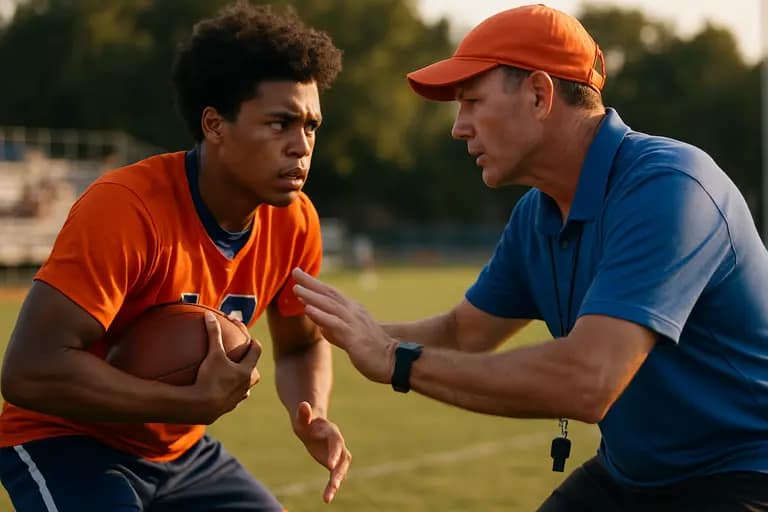
Even though this is a football roster story, it lands with a basketball audience because Gainesville fans understand development across sports. Florida basketball followers have watched how practice competition, conditioning and accountability shape young players before they are trusted in bigger minutes. That same sports culture is why a staff-wide standard matters, whether the venue is Ben Hill Griffin Stadium or the O’Connell Center.
For readers tracking how coaching standards carry across the Gators program, the basketball discussion around the Gators coaching staff offers a useful comparison point. The shared thread is not scheme. It is the day-to-day demand that newcomers learn how Florida expects athletes to work, respond and compete.
The Gators Freshman Strategy also affects community engagement. Freshmen become familiar names quickly in college towns. Families follow their progress, local businesses feel the energy of game weekends, and students build early attachments to players who may define multiple seasons. When a true freshman earns a return job or cracks a defensive rotation, that player becomes part of Gainesville’s week-to-week sports conversation.
Depth Is Not Just A Backup Plan
Sumrall’s roster numbers make depth more than a safety net. With 24 high school freshmen and 34 transfers entering the program, the staff had to create competition without losing order. That means freshmen need clear feedback: where they stand, what they must improve, and how they can help the team before becoming full-time starters.
Depth also supports player health and late-season performance, though no staff can control every injury or matchup strain. Rotational snaps for freshmen can keep veterans fresher, sharpen future starters and keep practice competitive. The danger is asking too much too soon. The benefit is finding young players who can handle a narrow job now and grow into a larger one later.
For Florida, the staff’s balance is especially important in the SEC. The league punishes missed communication and soft edges. A freshman has to learn the playbook, the opponent and the pace of the conference at the same time. That is why special teams, controlled rotations and practice pressure all matter. They are not side doors into the lineup. They are proving grounds.
What Sumrall’s Freshman Plan Means For Gainesville
A Rebuilt Roster Needs A Clear Identity
The most revealing part of the Gators Freshman Strategy is not one freshman statistic. It is the staff’s attempt to build a clear identity while so many players are learning Florida’s expectations at once. Sumrall inherited a team with major new-player volume, then had to decide how quickly to trust youth while still demanding SEC-level execution.
As of September 25, 2026, the full results of the 2026 season were not settled, so any judgment of the class has to stay measured. What is supported is the staff’s pattern: involve freshmen early, use special teams as a proving space, reward production when it appears, and keep response to mistakes at the center of the message.
For Gainesville, that approach gives the season a developmental heartbeat. It asks fans to watch beyond starters and final scores. Which freshman gets a return rep? Which young defender rotates into a pressure package? Which newcomer handles a correction and earns another snap? Those details tell the story of a program trying to grow fast without skipping steps.
If Sumrall’s first Florida roster is remembered well, it will likely be because the staff turned inexperience into usable depth and then into future leadership. That is the coaching challenge, and it is why freshman integration has become one of the most meaningful football storylines around the Gators program.